



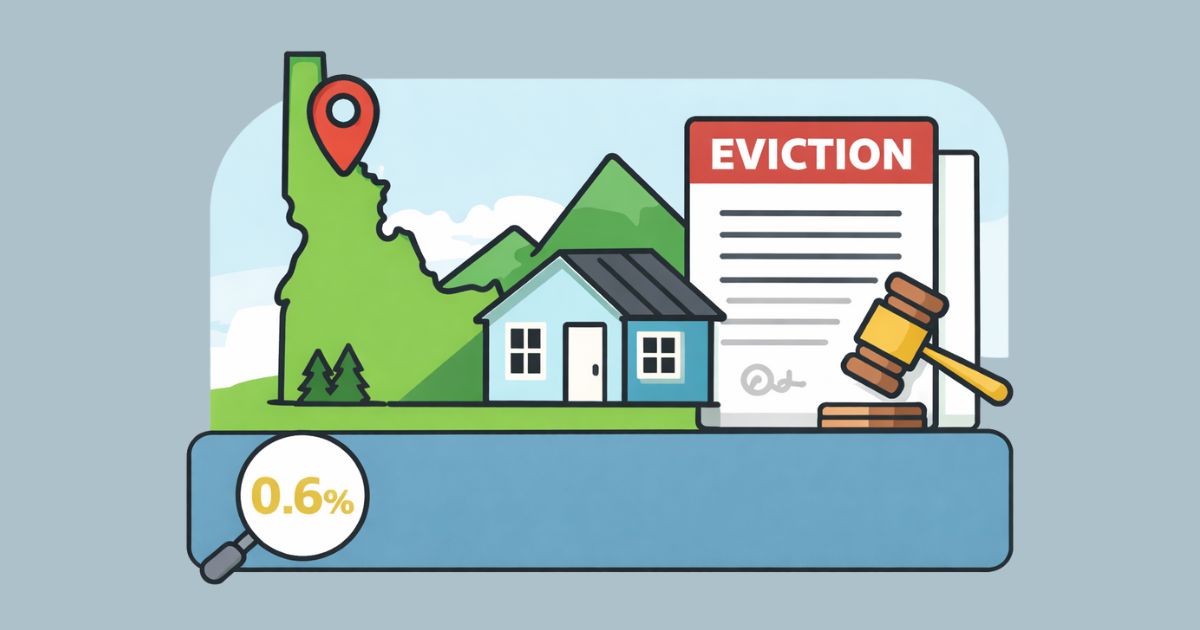
Understanding eviction trends is critical for assessing housing stability in Idaho. The Idaho Policy Institute formal eviction rate 2020 Shoshone County provides essential insights into the challenges faced by renters. Examining Shoshone County specifically allows policymakers and communities to identify vulnerabilities and shape informed housing policies.
Evictions affect more than just housing; they disrupt families, impact mental health, and strain community resources. By studying formal eviction rates, stakeholders can develop strategies to prevent displacement and strengthen housing security across Idaho, especially in rural areas like Shoshone County.
Understanding the Idaho Policy Institute
The Idaho Policy Institute (IPI) is a research organization focused on analyzing social, economic, and housing trends within the state. IPI collects, interprets, and publishes data on issues such as eviction, poverty, and housing instability to inform public policy decisions.
Their reports provide evidence-based insights that help communities, landlords, and local governments address housing challenges effectively. By highlighting trends in evictions, the IPI serves as a vital resource for ensuring renter protections and understanding the impact of economic pressures on households.
What is a Formal Eviction?
A formal eviction occurs when a court issues an official order requiring a tenant to vacate a property. This is distinct from informal eviction attempts, such as notices or threats without legal action. Formal evictions are legally binding and typically recorded in public court records.
The Idaho Policy Institute formal eviction rate 2020 Shoshone County specifically measures these court-ordered evictions, providing a reliable indicator of severe housing insecurity. Recognizing the difference between filings and formal evictions helps policymakers understand the true scale of housing instability.
Idaho’s Eviction Landscape in 2020
The year 2020 marked unprecedented challenges for renters due to the COVID-19 pandemic. Statewide eviction filings and formal evictions decreased, largely due to federal moratoriums and court closures. Nevertheless, the need for housing stability remained pressing.
According to IPI data, formal evictions statewide represented roughly 0.6% of all renting households in 2020. The Idaho Policy Institute formal eviction rate 2020 Shoshone County mirrors this trend but reflects unique local factors impacting rural populations more acutely than urban areas.
Shoshone County Overview
Shoshone County, located in northern Idaho, is home to a small, predominantly rural population. The county’s economic landscape is shaped by mining, forestry, and small-scale industries, which influence renters’ ability to maintain stable housing.
In 2020, the renter population in Shoshone County was smaller than in larger cities, making each eviction more impactful on the community. Studying this county provides insights into how rural dynamics shape eviction trends differently from urban counties.
2020 Eviction Data for Shoshone County
Data from the Idaho Policy Institute shows that Shoshone County experienced several formal evictions in 2020, though numbers remained lower than larger counties. The Idaho Policy Institute formal eviction rate 2020 Shoshone County is calculated by dividing the number of formal evictions by the total renter households.
Despite low absolute numbers, rural counties like Shoshone often have higher per-household eviction rates. Each formal eviction significantly impacts the community, highlighting the importance of targeted interventions to support renters at risk of displacement.
Comparison with Statewide Rates
Compared to statewide averages, Shoshone County’s formal eviction rate offers unique insights. While the overall state rate hovered around 0.6%, rural counties often experience variations due to smaller populations and limited housing options.
The Idaho Policy Institute formal eviction rate 2020 Shoshone County may appear proportionally higher because fewer households mean each eviction represents a larger percentage. This comparison emphasizes the need for tailored policies addressing rural housing challenges.
Factors Contributing to Evictions in Shoshone County
Economic pressures, including employment instability and low-income levels, contribute significantly to formal evictions. Rent burdens often exceed 30% of household income, increasing the risk of displacement.
Social factors, such as single-parent households or multi-generational living, can compound housing vulnerabilities. Additionally, Shoshone County’s limited rental supply creates competition for available units, raising rent prices and increasing eviction risks for vulnerable tenants.
The Impact of COVID-19 on Evictions
The COVID-19 pandemic disrupted traditional eviction processes nationwide. Court closures and moratoriums delayed formal proceedings, temporarily reducing eviction numbers. However, unmet rental obligations accumulated, creating a backlog of cases once restrictions lifted.
In Shoshone County, these pandemic-related factors influenced the Idaho Policy Institute formal eviction rate 2020 Shoshone County. While formal evictions temporarily decreased, the underlying economic strain persisted, affecting renters’ long-term housing stability.
Demographic Insights from Eviction Data
Eviction data reveals that lower-income households, younger renters, and families with children are disproportionately affected. In Shoshone County, these groups face compounded challenges due to limited access to financial assistance or affordable housing options.
Understanding these demographics helps policymakers target interventions effectively. The Idaho Policy Institute formal eviction rate 2020 Shoshone County highlights vulnerable populations who require additional support to maintain stable housing during economic crises.
Policy Implications
Data from IPI informs critical housing policies at local and state levels. Reducing eviction rates requires proactive measures, including rental assistance programs, mediation services, and affordable housing development.
For Shoshone County, policymakers can use insights from the Idaho Policy Institute formal eviction rate 2020 Shoshone County to prioritize interventions, allocate resources efficiently, and protect residents from unnecessary displacement.
Lessons from Other Counties
Several counties in Idaho have successfully implemented eviction prevention programs, including rental assistance, legal aid for tenants, and landlord mediation. Rural counties that adopt similar strategies often see reduced formal eviction rates.
Shoshone County can learn from these examples by tailoring solutions to its small population and unique economic conditions. Applying proven strategies helps mitigate the risk of widespread displacement and ensures long-term housing stability.
Challenges in Data Collection and Reporting
Collecting accurate eviction data in rural counties is challenging due to smaller sample sizes and limited reporting infrastructure. Court records may not capture informal evictions or unfiled disputes, potentially underestimating housing instability.
Despite these limitations, the Idaho Policy Institute formal eviction rate 2020 Shoshone County remains a valuable metric. It offers a standardized measure for analyzing trends and guiding policy decisions to support vulnerable renters effectively.
Recommendations for Shoshone County
Shoshone County can benefit from targeted policies to reduce formal evictions. Recommendations include expanding rental assistance programs, enhancing tenant education, and promoting collaboration between landlords and local authorities.
Community-based approaches, such as financial counseling and eviction diversion initiatives, can prevent evictions before they occur. Using data-driven strategies informed by the Idaho Policy Institute formal eviction rate 2020 Shoshone County ensures interventions are both effective and sustainable.
Conclusion
The Idaho Policy Institute formal eviction rate 2020 Shoshone County provides crucial insights into housing stability in rural Idaho. While numbers were lower than in urban areas, each formal eviction carries significant consequences for affected households and communities.
By understanding eviction trends and implementing targeted interventions, Shoshone County can strengthen housing security, support vulnerable renters, and build a more resilient community. Ongoing monitoring and data-driven policies remain essential for addressing housing instability effectively.
